

Austin, Lakeway, and Bee Cave each offer a distinct home search experience, from fast-moving urban inventory to hill country neighborhoods with larger lots and newer retail hubs. The best fit often comes down to commute patterns, housing style, daily conveniences, and how much space you want around you. A side-by-side look at these three communities can make your next move feel a lot more practical and a lot less overwhelming.
Three Popular Paths in the Greater Austin Home Search
Choosing between Austin, Lakeway, and Bee Cave is less about finding a universally “better” place and more about matching a location to your day-to-day priorities. Some buyers want quick access to major employment centers, live music venues, and established neighborhoods with architectural variety. Others are looking for a quieter street pattern, hill country views, golf access, newer construction, or a shopping corridor that keeps errands simple. These three communities can all deliver strong appeal, but they do so in different ways.

Austin remains the broadest option of the three. Inventory can range from central condos and townhomes to established single-story homes, modern infill builds, and properties farther from the core with more square footage. That variety is a major advantage if you want multiple price points and neighborhood styles in one city search. The tradeoff is that the search can feel wide open, and commute times can vary dramatically depending on which part of the city you choose.
Lakeway and Bee Cave, both west of Austin, often attract attention from people who want proximity to the city without being in the middle of it. They share access to the hill country landscape and major road connections, but they are not interchangeable. Lakeway has a more residential feel in many sections, with established communities, golf-oriented pockets, lake proximity, and winding streets that follow the terrain. Bee Cave tends to feel more centered around newer commercial growth, master-planned development patterns, and easy access to retail and dining clusters.
If your weekly routine includes frequent drives into central Austin, test the route at the actual times you expect to travel. A map estimate and a real-world rush-hour drive can feel very different.
Because all three areas sit within the same regional market, many buyers tour homes across them before narrowing down. That can be smart. Looking in more than one community often reveals what matters most to you: lot size, school district boundaries, access to Lake Travis, neighborhood maturity, or the ability to walk or drive quickly to daily services.
Austin: Variety, Energy, and a Wide Range of Neighborhood Options
Austin is the most layered choice of the three. It offers older neighborhoods with mature trees, contemporary developments, urban residential towers, and suburban-style communities on the edges. For buyers who want options, that range can be a strength. You can compare lock-and-leave condos, renovated mid-century homes, and newer suburban construction without leaving the city limits. It is also the strongest match if you value proximity to major employers, entertainment districts, cultural venues, and a long list of parks and trail systems.
That said, Austin requires careful filtering. A home that seems well-priced may come with a longer commute, heavier traffic corridors, or less lot space than similarly priced properties farther west. Property taxes, HOA structures, age of homes, and renovation needs can also vary substantially by neighborhood. Buyers who move through Austin successfully usually start with a clear ranking of priorities rather than trying to keep every area in play at once.
For sellers, Austin’s advantage is market visibility. A broad pool of buyers often means strong interest when pricing, presentation, and timing line up. But broad appeal does not remove the need for strategy. Condition, micro-location, and the amount of competing inventory nearby still matter.
Lakeway: Residential Rhythm, Hill Country Setting, and Lake Proximity
Lakeway offers a distinct identity within the greater Austin area. Many streets curve around the natural topography, and the overall feel can be more residential and tucked away than what buyers find in central Austin. Homes here may include hill country views, golf course surroundings, mature landscaping, and floor plans designed for indoor-outdoor living. The community also benefits from access to Lake Travis amenities, marinas, golf, and trail networks, which adds another layer to the local lifestyle without relying on the pace of the urban core.
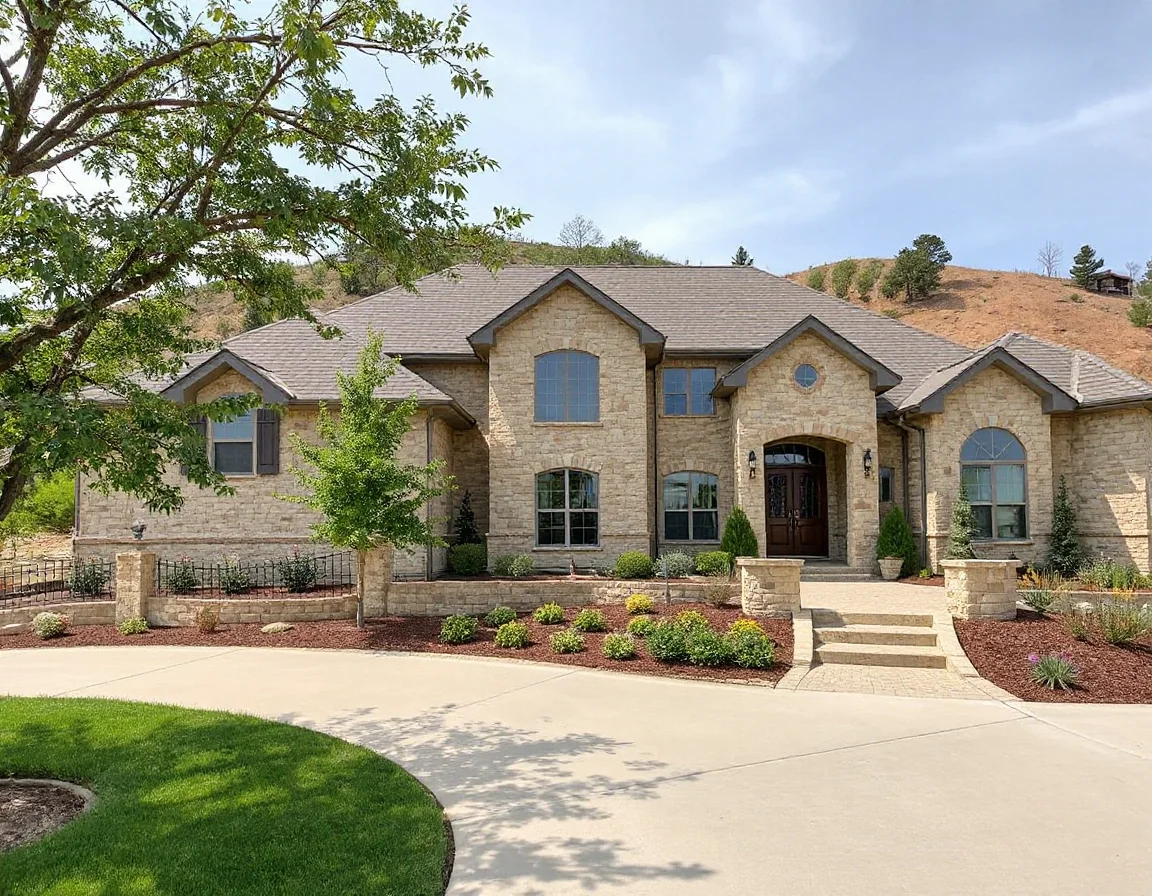
Compared with Austin, Lakeway can feel more focused. Instead of sorting through dozens of very different neighborhood types, buyers often zero in on a narrower set of home styles and community patterns. That can make the search easier if you already know you want a western Travis County location with a strong neighborhood identity. It can also mean less inventory at a given moment, especially for specific price bands or one-story layouts.
Another consideration is how much you value setting versus direct central-city convenience. Lakeway often wins points for scenery, established residential streets, and access to recreation, but buyers commuting regularly into Austin will want to weigh drive time carefully. For many, the tradeoff is worth it. For others, the extra distance changes the math.
In Lakeway, lot shape, slope, and view corridors can influence both usability and long-term appeal as much as square footage. Two homes with similar size may live very differently.
Lakeway can also be appealing for owners who want a home that supports entertaining, outdoor patios, or a more private residential atmosphere. Sellers in this area often benefit from emphasizing setting, outdoor spaces, and architectural details that connect to the hill country environment.
Bee Cave: Newer Growth, Retail Convenience, and Westward Access
Bee Cave has become a key west-of-Austin destination for buyers who want modern convenience alongside hill country surroundings. In many parts of Bee Cave, newer development patterns shape the experience: planned communities, accessible retail corridors, updated roadway access, and homes that often reflect more contemporary preferences in layout and finishes. If you want newer construction or a neighborhood that feels built around current-day routines, Bee Cave is often an efficient place to focus.
One of Bee Cave’s biggest strengths is practical convenience. Grocery runs, fitness stops, dining, and service appointments can be easier to bundle into one area compared with more spread-out locations. That may sound small on paper, but in daily life it matters. Buyers who spend time in the community often notice how much smoother ordinary errands can feel.

Housing in Bee Cave may overlap with Lakeway in some buyer searches, but the overall feel is often different. Bee Cave can present a more polished, newer-growth atmosphere, while Lakeway may feel more established and terrain-driven. Neither is inherently better; the preference usually comes down to whether you want mature neighborhood character, newer planning, or a balance of both.
For buyers comparing the three, Bee Cave frequently lands in the middle ground: west of Austin, closer to hill country scenery, but still strongly tied to contemporary retail and growth patterns. That makes it especially useful to tour in person. The built environment tells the story quickly.
How to Decide Without Overcomplicating It
A practical way to compare Austin, Lakeway, and Bee Cave is to score each one against the same shortlist: commute expectations, lot size, home age, HOA preferences, recreation access, shopping convenience, and the type of neighborhood setting you enjoy most. Once those categories are clear, many of the emotional “what if” questions start to settle down.
It also helps to think beyond the house itself. In Austin, the deciding factor may be proximity and flexibility. In Lakeway, it may be setting and residential feel. In Bee Cave, it may be newer development and convenience. None of those priorities is too minor to matter. Real estate decisions often turn on the ordinary details of everyday life.
For anyone planning a move in the greater Austin area, the best next step is usually to tour a few homes in each location on the same day or weekend. Seeing them back-to-back makes contrasts in traffic flow, streetscape, home style, and commercial access much easier to judge. What seems similar online often feels very different in person.
Talk through your Austin-area move
Whether you end up in Austin, Lakeway, or Bee Cave, a strong search starts with clarity about how you want your home to function every day. Once that picture is in focus, the right community tends to stand out.