

Renting in Austin before buying can turn a big decision into a more informed one. A short lease gives you time to compare commute patterns, everyday amenities, housing styles, and price points across the city and nearby communities without rushing into an offer. If you use that rental period strategically, you can move into the purchase process with sharper priorities and fewer surprises.
Why renting first can be a smart move
Buying in a fast-moving market is easier when you have firsthand experience with the area, and that is exactly where renting can help. Instead of trying to decode every neighborhood, road pattern, and housing style from listing photos alone, you get a chance to live your normal routine and see how a place feels on an ordinary Tuesday. That kind of practical knowledge often matters just as much as square footage or finishes.
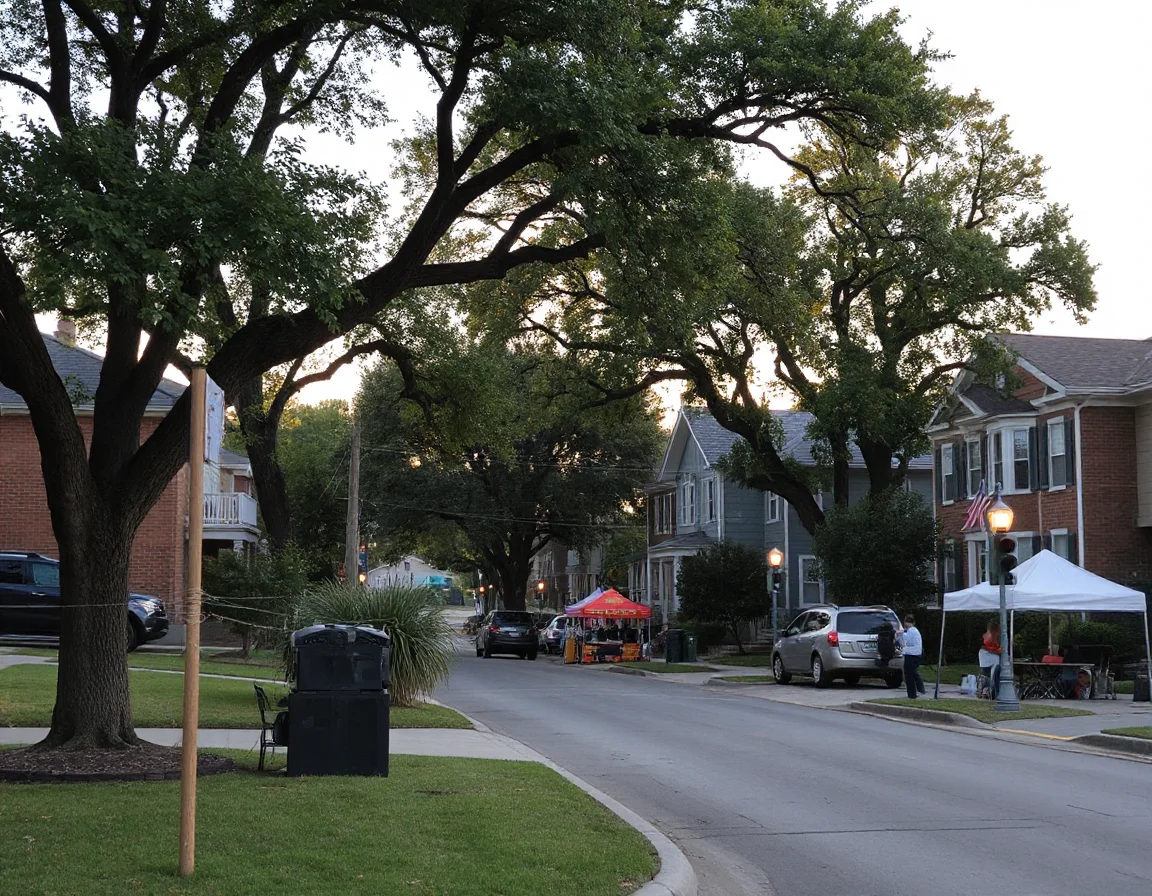
Austin is especially well suited to this approach because the metro includes distinct pockets with very different rhythms. One area may offer a quick route to downtown employment centers, while another may trade that for hill country views, larger lots, or a quieter street pattern. Renting first lets you compare those tradeoffs in real time rather than guessing from a map.
The key is to treat the lease as more than temporary housing. Think of it as a research phase. Pay attention to traffic at the times you actually travel, how often you use nearby parks or trails, what errands feel convenient, and whether the home style you chose truly fits your day-to-day needs. Those observations will make your eventual home search much more precise.
A rental can reveal details listings cannot: how long left turns really take, when a route backs up, and whether your preferred errands are five minutes away or twenty.
1. Test your real commute, not the estimated one
Online maps are useful, but they do not fully capture how a commute feels over weeks instead of one sample trip. During a rental period, try your routine at the exact times you expect to travel. Note how morning traffic differs by day, whether alternate routes are practical, and how long it takes to reach places you visit often. This includes work, grocery runs, fitness stops, medical appointments, and weekend destinations.
That information can reshape your buying criteria quickly. A home that seemed appealing on paper may lose some shine if the route requires multiple bottlenecks every day. On the other hand, a location you initially overlooked may become more attractive once you realize how connected it feels in practice. In a market where inventory can move quickly, this kind of clarity helps you act faster when the right property appears.
If you are exploring areas beyond central Austin, this is also the time to compare nearby communities such as Lakeway, Bee Cave, or Spicewood. The route experience, topography, and access to retail and recreation can vary more than newcomers expect.
2. Compare housing styles before you commit
One of the biggest benefits of renting first is discovering which property type best matches your habits. You might assume you want a detached home, then realize a condo with lower exterior upkeep better suits your schedule. Or you may start in an apartment and decide you would rather prioritize a yard, extra storage, or a dedicated office in your purchase.
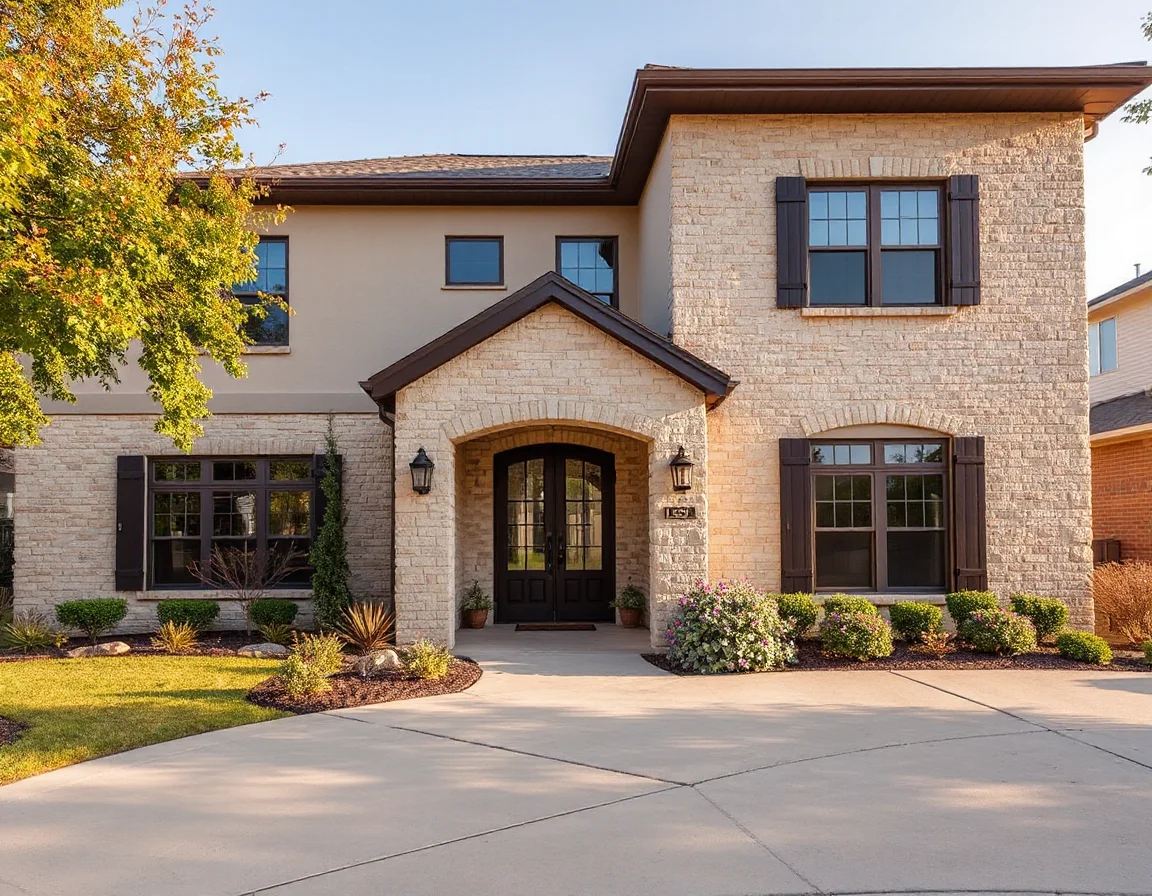
Living in a rental makes these preferences concrete. You learn whether stairs bother you, whether open-concept space helps or hinders your routine, and how much storage you truly need. Ceiling height, outdoor maintenance, parking layout, and guest access can all feel minor until you deal with them every day.
This is also a good time to notice what features you can live without. Buyers sometimes focus heavily on finish selections while underestimating layout flow, lot orientation, or street noise. Renting helps separate must-haves from nice-to-haves, which can keep your future search focused and your budget aligned with what matters most.
The clearest buying criteria often come from irritation as much as inspiration. If something in your rental keeps bothering you, add the opposite feature to your purchase checklist.
By the time you are ready to buy, you should have a short list of non-negotiables and a realistic sense of which compromises are acceptable. That makes showings more efficient and decision-making less stressful.
3. Learn the cadence of each area
Every part of the Austin area has its own pace. Some neighborhoods feel closely connected to major activity centers, while others offer more separation, topographic variety, or a stronger emphasis on outdoor recreation. A rental period lets you experience these differences beyond marketing language and open-house impressions.
Try visiting the same area at several times of day. Morning, late afternoon, and evening can present completely different pictures of parking, noise, road activity, and convenience. Weekend patterns matter too. What feels calm midday on a Wednesday may feel much busier on Saturday when people are heading to trails, lake access points, or entertainment districts.
You can also use this time to identify the amenities you actually use. Maybe you value proximity to trail systems, a library, a golf course, or quick access to major corridors. Maybe you care more about nearby coffee spots, lake views, or newer retail centers. There is no universal right answer; the point is to replace assumptions with firsthand habits.
4. Track prices while you rent
Renting first does not mean pausing your home search completely. In fact, it is the perfect window to monitor inventory, follow list prices, and see how homes compare across submarkets. Watch what comes on the market, how quickly strong listings move, and what kinds of updates or lot features seem to influence pricing.

This process helps you build market memory. After a few months, you will start recognizing value faster because you have context. A home with an efficient layout, updated systems, and a location that fits your routine will stand out more clearly. You will also be less likely to overreact to a single listing because you have seen enough examples to compare it intelligently.
For many buyers, this stage also sharpens financing conversations. As your wish list becomes more specific, you can better match budget expectations to the types of homes you are targeting. That kind of alignment reduces wasted tours and keeps your search grounded in both lifestyle and numbers.
5. Use the lease period to refine your buying team and timeline
A rental creates breathing room, and that can be valuable. Rather than scrambling to line up every decision at once, you can use the time to speak with lenders, understand closing costs, and map out your preferred purchase timeline. If your lease end is several months away, you can also think strategically about when to start touring seriously versus when to simply observe the market.
It is also a practical time to work with a local brokerage that understands both leasing and buying. A team that operates across those stages can help you connect what you are learning in your rental to the homes and communities worth watching next. That continuity often leads to a smoother transition when it is time to move from tenant to owner.
Just as important, renting first can reduce pressure-driven choices. Without the urgency of buying immediately after arriving, you are more likely to make a purchase based on fit rather than fatigue.
6. Turn your observations into a focused purchase plan
Before your lease winds down, write out what the rental period taught you. Include preferred areas, commute limits, home styles, storage needs, outdoor space preferences, parking requirements, and deal-breakers. Then rank them. This simple exercise turns months of casual observation into a clear search strategy.
Once your priorities are organized, buying becomes more straightforward. You can evaluate listings against a defined set of standards instead of reacting emotionally to each new property. That usually leads to better choices and a more confident offer when the right home appears.
Renting first is not a delay for delay’s sake. In Austin, it can be one of the smartest ways to understand the market, the geography, and your own preferences before making a long-term investment. A short lease today can lead to a far better purchase decision tomorrow.