
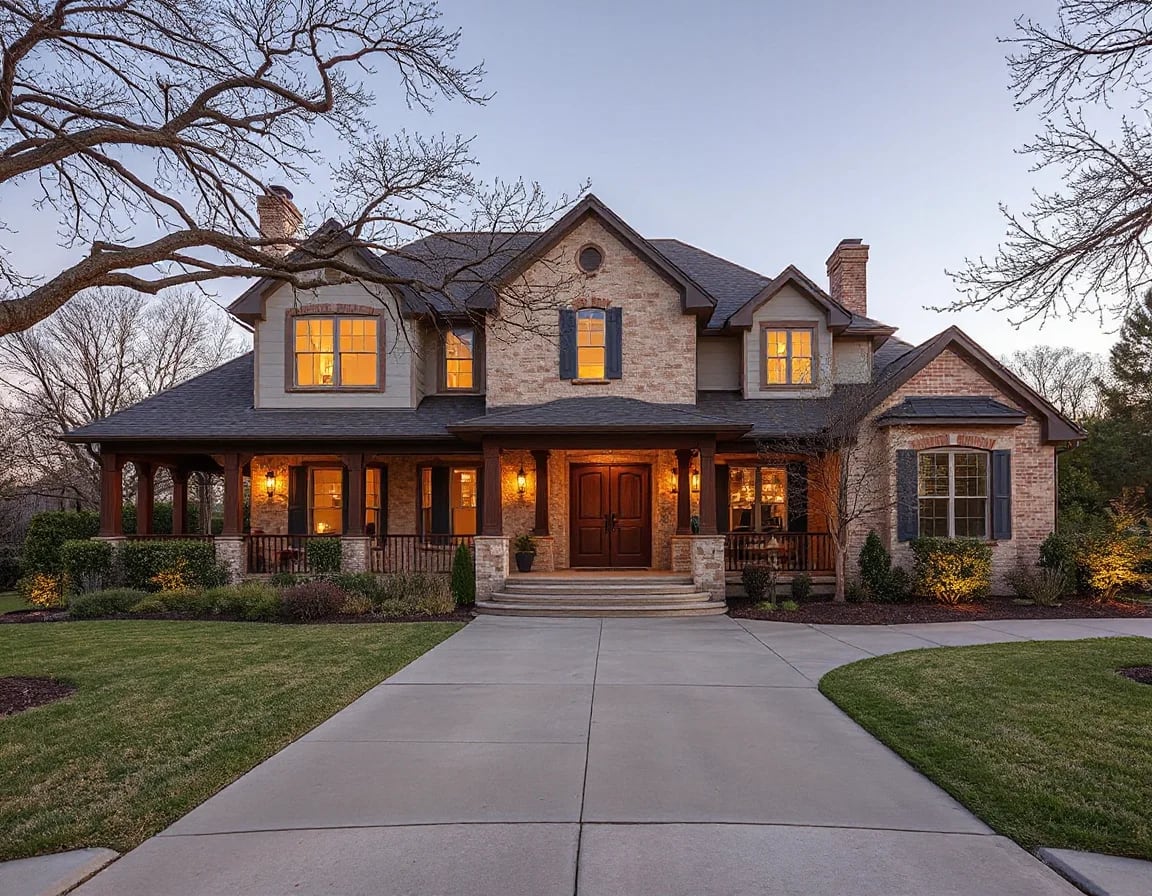
Price points around Greater Austin can deliver very different layouts, lot sizes, and locations depending on where you look. A budget that opens the door to a condo or smaller detached home in one area may reach a larger lot, newer construction, or added outdoor space in another. This guide breaks down what buyers often see from roughly $300K to $1.5M so you can compare options with clearer expectations before you start touring.
How to Think About Price Tiers in Greater Austin
Shopping across Greater Austin is rarely just about the number on the listing. The same budget can translate into a lock-and-leave condo near major employment centers, a suburban single-story with a yard, or a hill country property with more privacy and views. Inventory, commute patterns, lot sizes, school district boundaries, and the age of the housing stock all shape what buyers actually get for the money.

That is especially true in a region with so many distinct submarkets. Central Austin, Southwest Austin, Lakeway, Bee Cave, and Spicewood all offer different tradeoffs. Some lean toward proximity and convenience. Others tend to offer more square footage, newer finishes, or larger lots at comparable prices. Understanding those tradeoffs early helps buyers avoid frustration and focus on homes that match their priorities.
It also helps to remember that list price is only one part of affordability. Property taxes, HOA dues, insurance, renovation needs, and ongoing maintenance can change the monthly picture considerably. Two homes priced the same may feel very different once those costs are factored in.
In Greater Austin, the biggest price variable is often not just square footage, but the combination of location, lot size, and renovation level. Buyers who rank those priorities before touring usually make faster decisions.
What Around $300K to $500K Commonly Buys
At the lower end of this range, buyers often find condos, townhomes, or smaller detached homes depending on the submarket. In areas closer to central job hubs or major corridors, that budget may lean more toward attached housing, older construction, or homes that need cosmetic updates. In outlying pockets, it can sometimes stretch to a more traditional single-family layout with extra yard space.
What matters here is flexibility. Buyers may need to decide whether they value shorter drive times, a lower-maintenance exterior, or more interior space. A condo with updated finishes and community amenities can be a strong option for those who want a simpler ownership experience, while a detached home farther out may offer room to grow or more outdoor use.
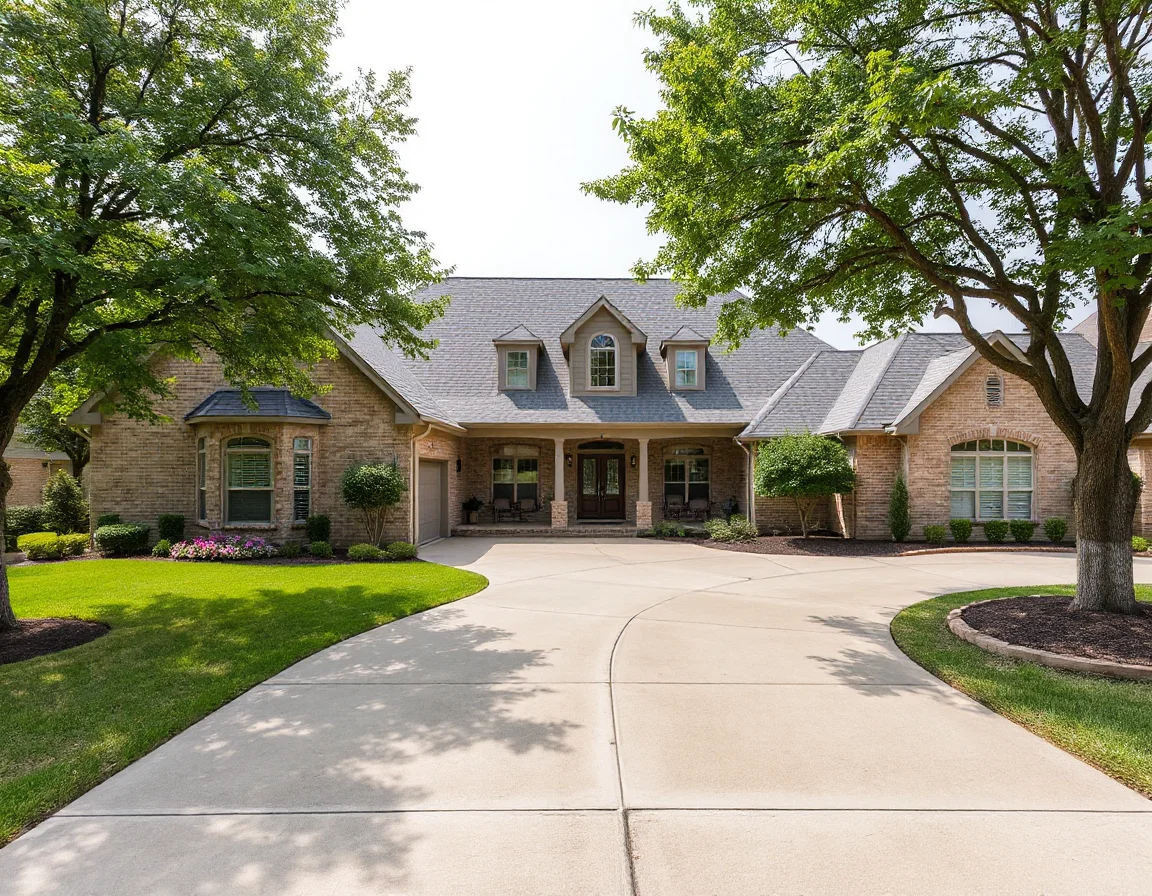
In practical terms, homes in this bracket may show a mix of original kitchens, builder-grade baths, and functional rather than high-end outdoor areas. Buyers can still find attractive opportunities, but expectations should align with the neighborhood, age of the home, and location. A well-positioned property with strong upkeep may outperform a larger home that needs major repairs.
For people comparing multiple communities, this is often the tier where market knowledge adds the most value. Knowing which neighborhoods offer better lot sizes, where HOA fees are more common, and which homes have already addressed major systems can save both time and money.
What Around $500K to $900K Commonly Buys
This middle tier is where many buyers start to see more choice. Depending on the exact location, this range can open the door to updated single-family homes, newer communities, larger floor plans, and in some cases better separation between living space and outdoor space. It is also a range where style differences become more noticeable, from established neighborhoods with mature trees to newer developments with contemporary finishes.
In Lakeway and nearby hill country communities, buyers may begin to see homes with more architectural character, larger lots, or access to outdoor recreation. In other parts of Greater Austin, the same budget might secure a closer-in address with less land but stronger access to employment centers, retail, and entertainment. Neither is automatically better; they simply serve different priorities.
Around this range, features such as dedicated offices, flex rooms, covered patios, and three-car garages become more common. Renovated kitchens, higher ceilings, and upgraded primary baths also appear more frequently, though finish quality still varies significantly from one pocket to another. Buyers should compare not only aesthetics but also age of roof, HVAC condition, windows, and long-term maintenance needs.
The $500K to $900K band is often where buyers can choose between “more house” and “more location” with fewer compromises than at lower price points.
Competition can still be strong for homes that combine updated interiors, a sensible layout, and a convenient setting. When a property checks those boxes, it often draws attention quickly because it appeals to a broad slice of the market without relying on major renovation plans.
What Around $900K to $1.5M Commonly Buys
Once budgets move into the upper tier, the menu usually expands to include more distinctive properties. Buyers may find larger custom homes, premium lots, stronger view potential, more refined finish packages, and outdoor living spaces designed for year-round use. In some neighborhoods, this range also introduces gated communities, golf course proximity, or homes with a more tailored architectural profile.
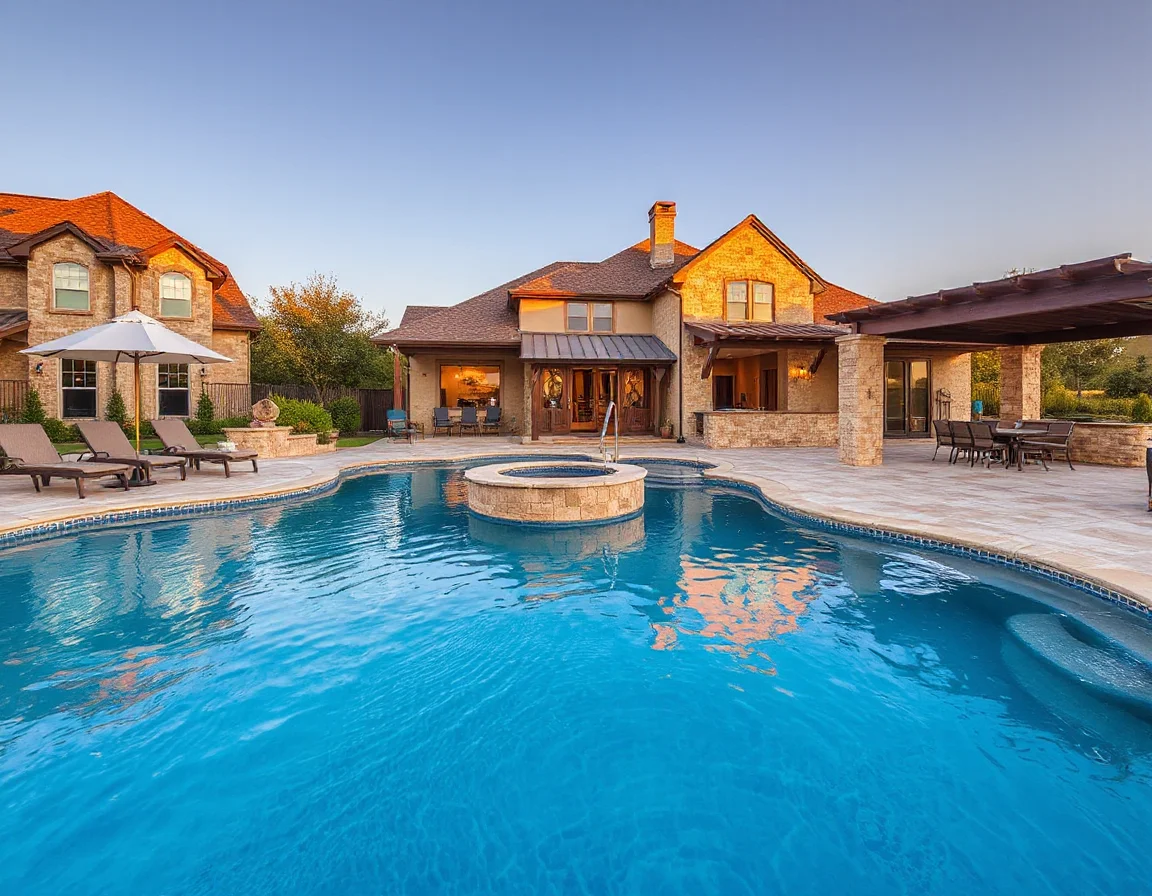
Even so, $1 million does not mean the same thing everywhere in Greater Austin. Closer to the urban core, that figure may still reflect a smaller footprint or a lot where the location carries much of the value. Farther west, south, or into select surrounding communities, buyers may gain square footage, outdoor entertaining space, and more privacy. The key is to compare homes based on the lifestyle they support rather than the headline price alone.
At this level, details matter. Buyers often look more closely at ceiling height, natural light, kitchen workflow, guest accommodations, storage, view orientation, and how indoor-outdoor spaces connect. Quality of construction also becomes more important than surface finishes alone. A beautifully photographed home may still need close review of drainage, topography, deferred maintenance, or utility setup.
For sellers in this segment, pricing strategy can be especially important because buyers tend to compare features carefully and expect strong overall presentation. Homes that are accurately positioned against nearby competition tend to generate better early attention than listings that rely solely on aspirational pricing.
How Buyers Can Use These Price Ranges More Effectively
The smartest way to use a budget range is to pair it with a ranked list of priorities. Start by deciding what matters most: commute time, lot size, updated condition, views, newer construction, or access to recreation and daily conveniences. Once those priorities are clear, the search becomes much easier because each area can be evaluated against the same standard.
It also helps to review recent sold data, not just active listings. Closed sales show where the market has actually landed, while current inventory reveals what is available right now. Together, those data points create a more realistic picture of what your budget can buy today rather than what it could have bought a year ago.
A local brokerage with day-to-day knowledge of Austin, Lakeway, Bee Cave, and surrounding communities can help narrow the field quickly. That kind of guidance is especially useful when buyers are deciding whether to stretch for a preferred location or shift outward for more space and features.
Greater Austin offers real variety, and that is good news for buyers. Whether your budget starts near $300K or reaches $1.5M, there are usually multiple ways to define value. The goal is not finding the “best” area in the abstract, but finding the combination of location, home style, and monthly cost that fits how you want to live.